
Crimping, testing & resin systems
Machines built for composite/polymer insulator manufacturing and related polymer processing — crimping, tensile and friction testing, resin handling, and batch weighing.
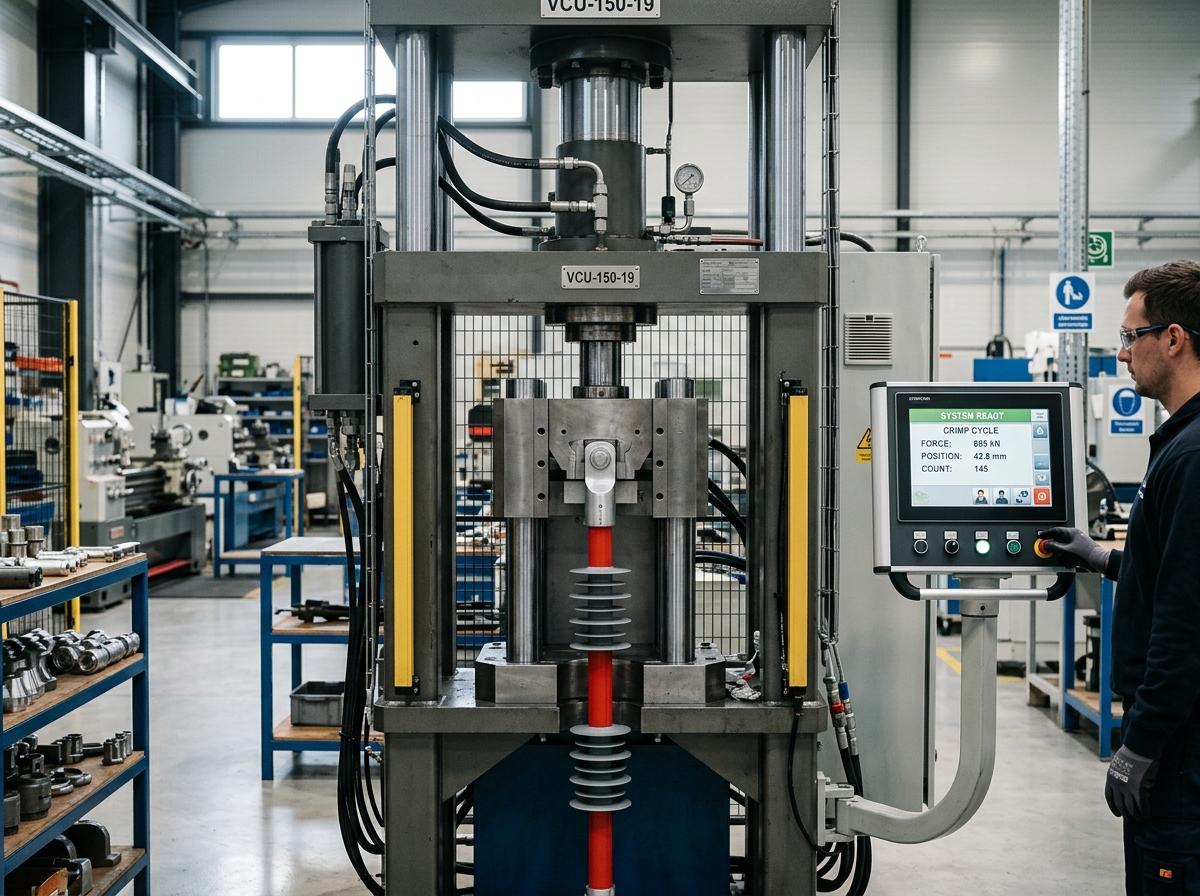
Vertical Crimper (Dover/PCA)
Precision vertical crimping station for composite insulator fittings.
View specification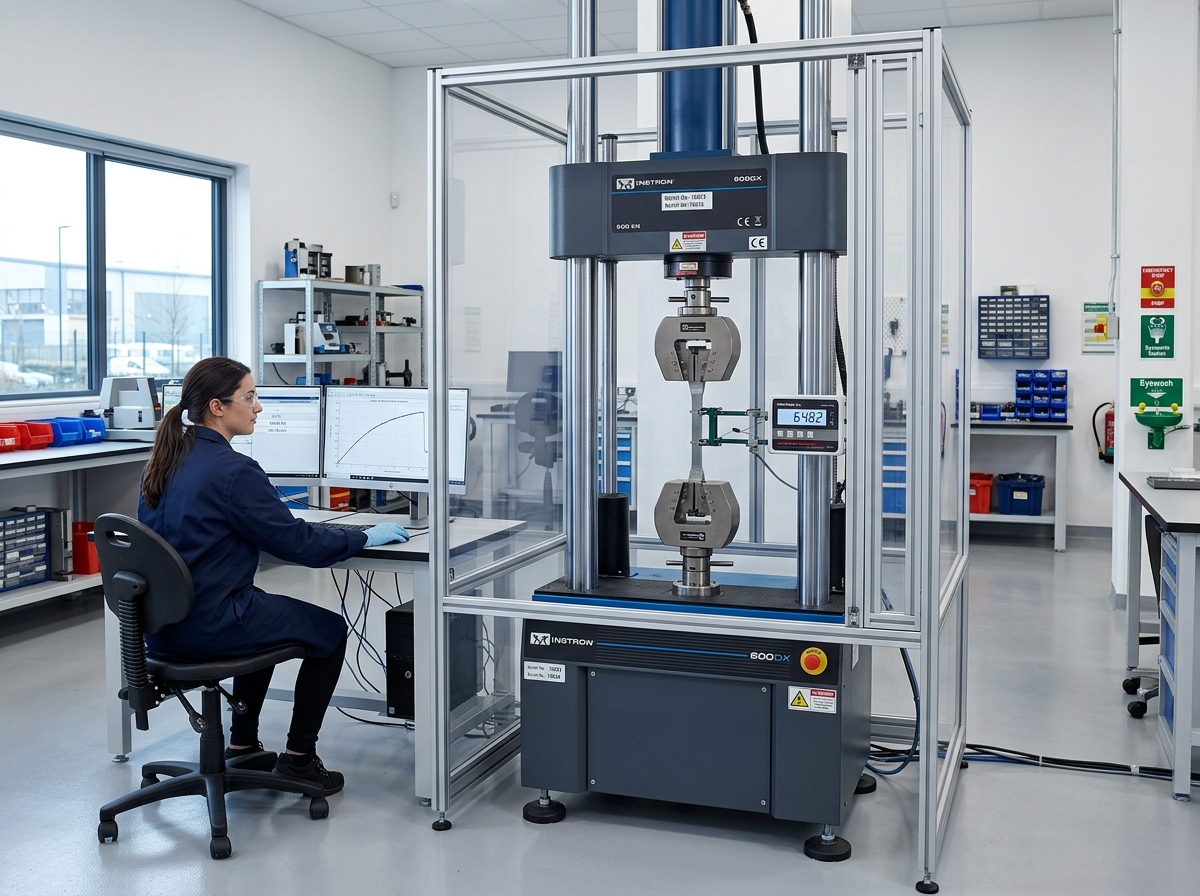
Tensile Tester Machine
In-line tensile testing for arrester and insulator components.
View specification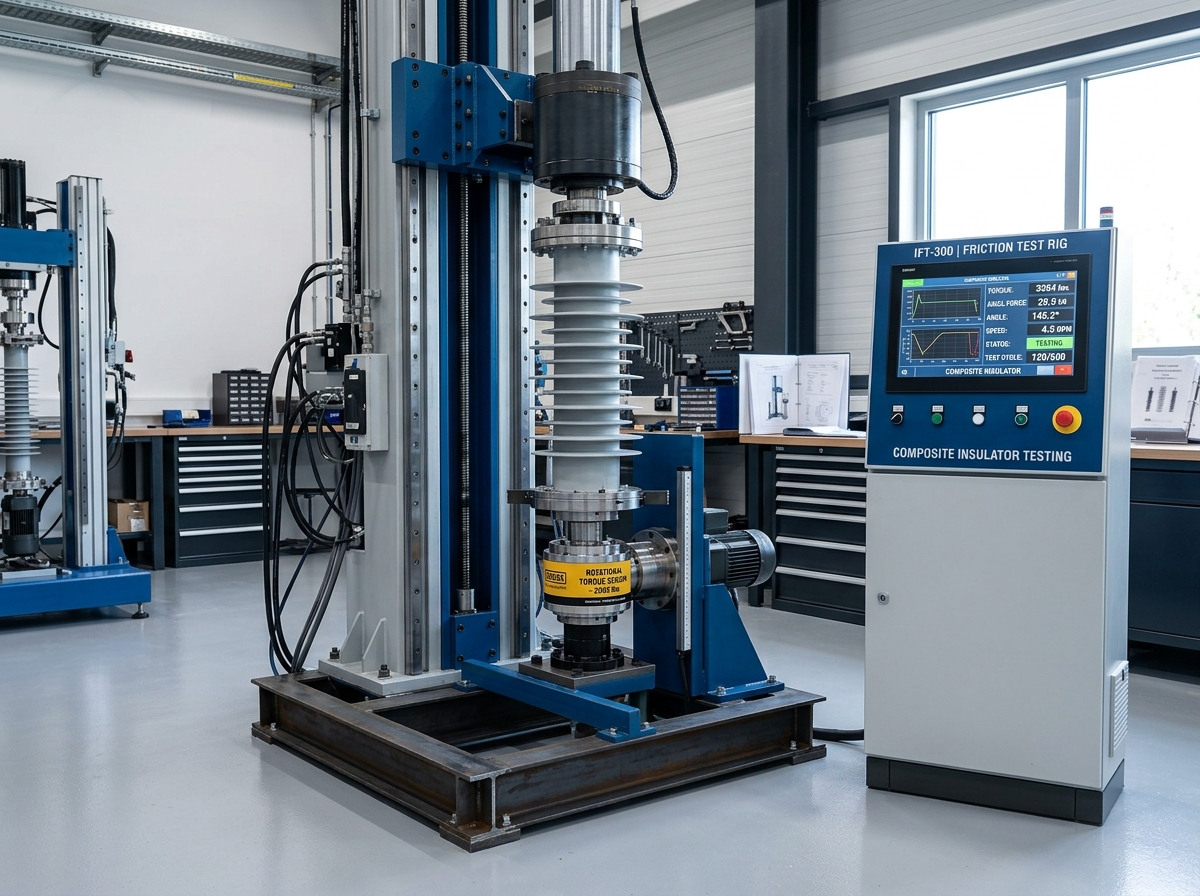
Friction Tester — Vertical
Vertical friction-test rig for hollow core composite insulators.
View specification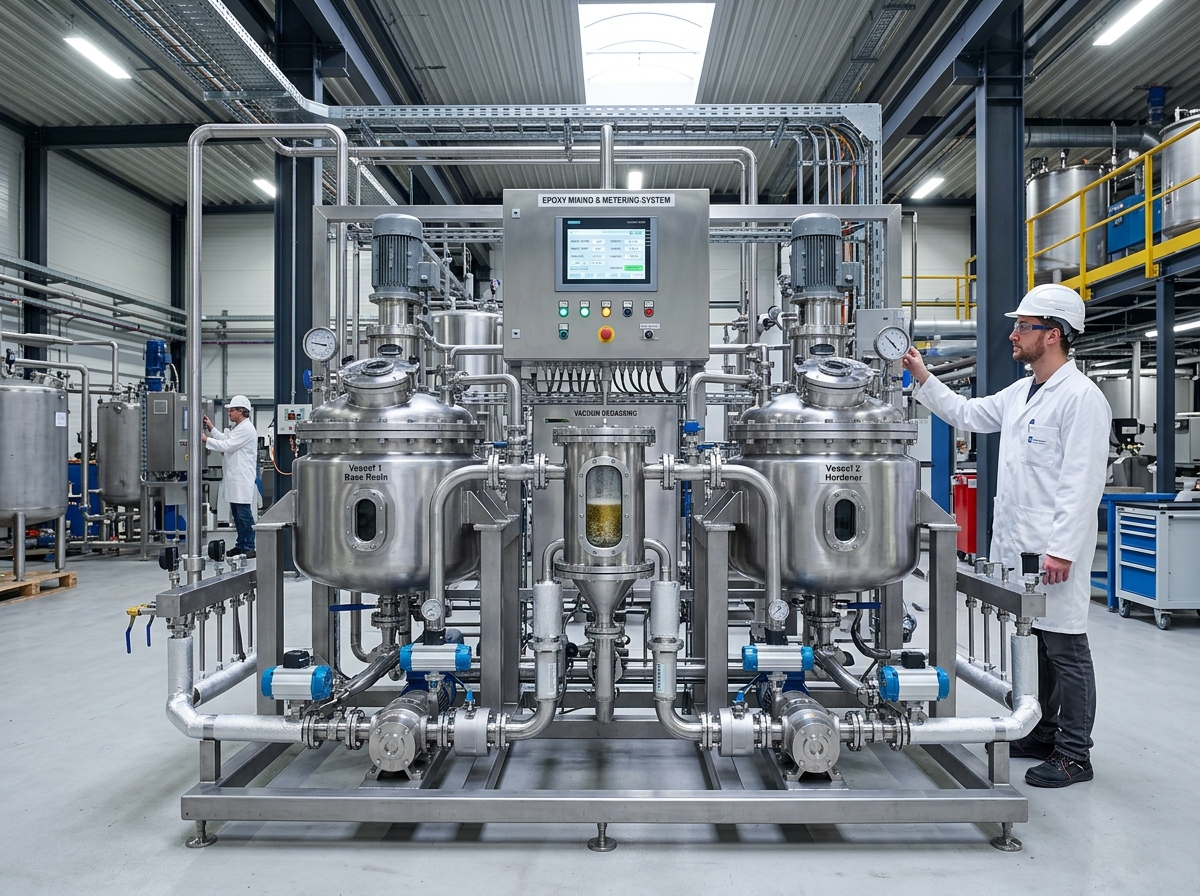
Epoxy/Resin Mixing & Conveying System
Metered resin mixing and conveying for encapsulation lines.
View specification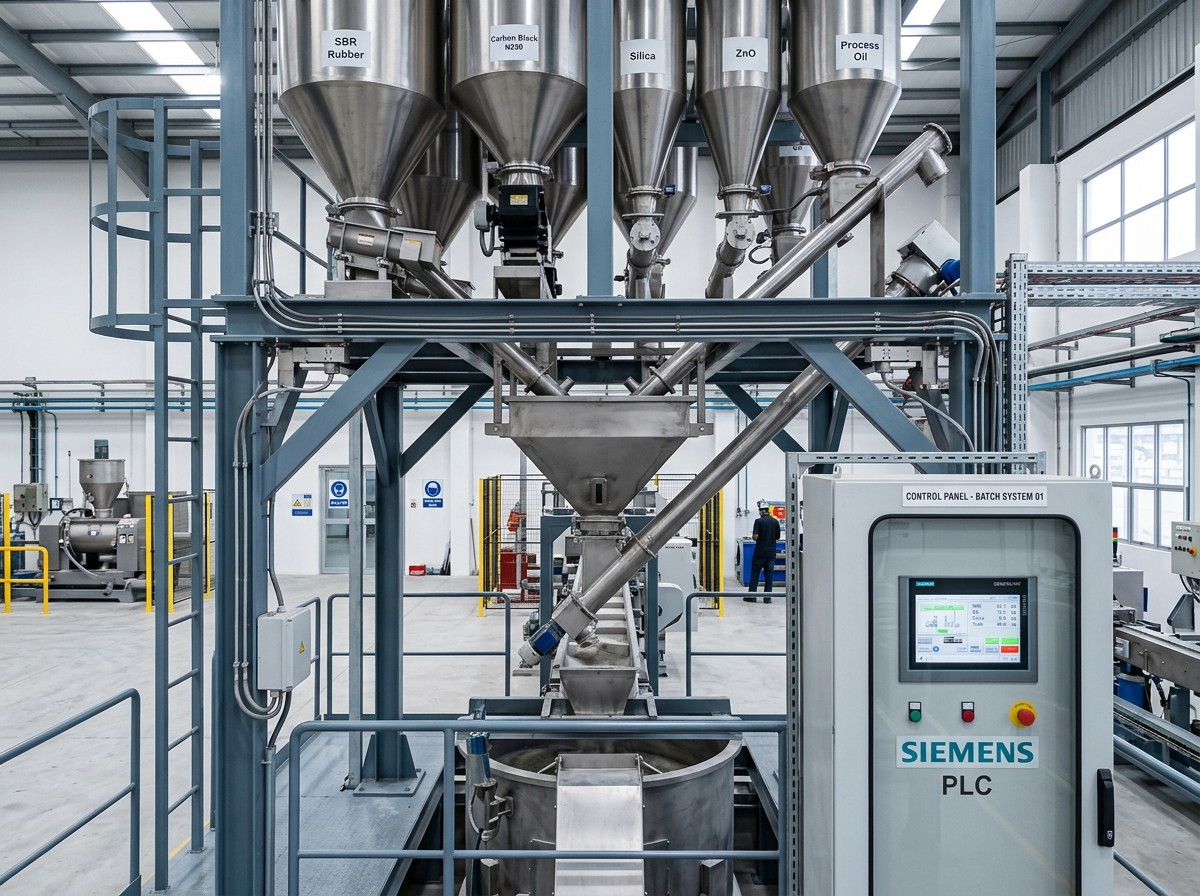
Batch Weighing System
Automated batch weighing for rubber mixing lines.
View specification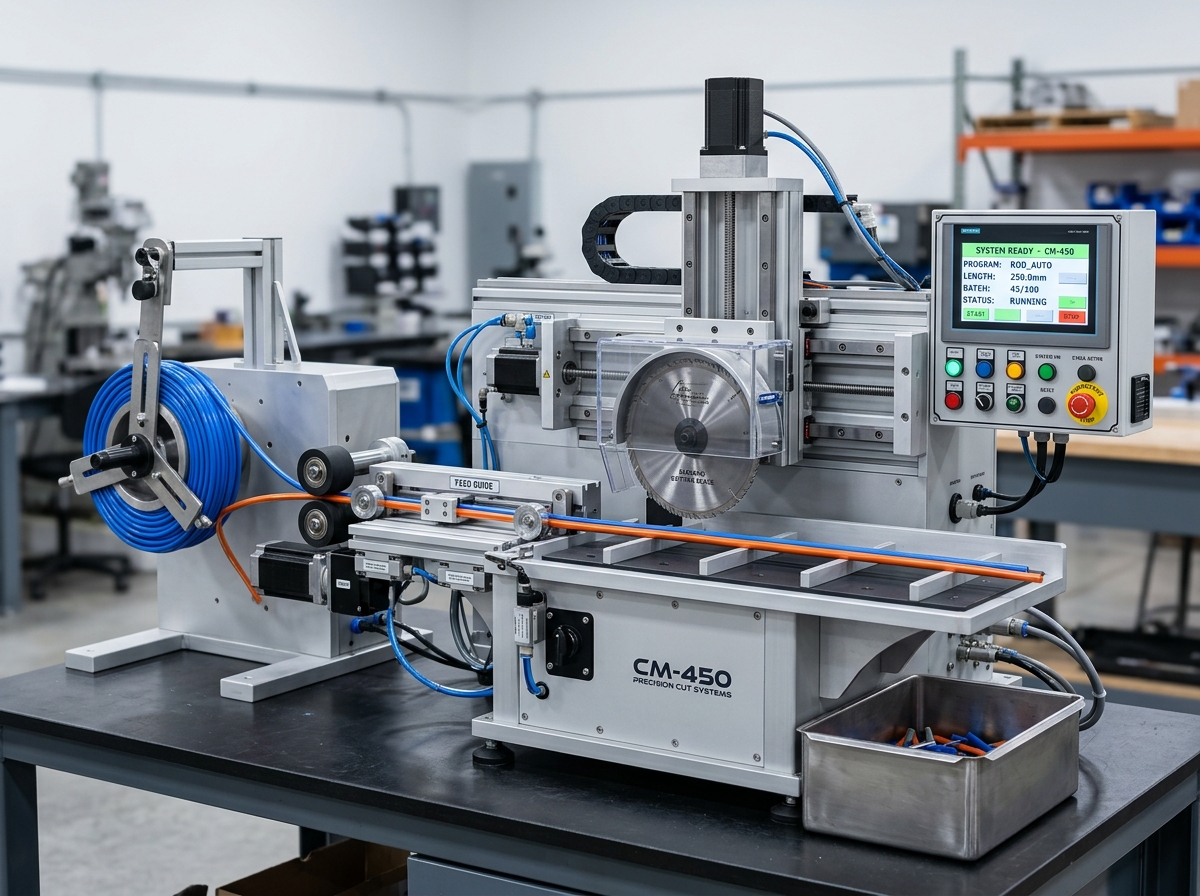
Cut to Length Machine
Programmable roll-feed cutting to fixed or variable length.
View specificationInsulator & Polymer Processing — Technical FAQ
What maximum pull force can the Vertical Crimper and Tensile Tester exert?
Our crimping and tensile testing machines deliver up to 1,000 kN (100 Tonne) servo-hydraulic force for high-voltage composite insulators up to 1,200 kV ratings.
How does the Batch Weighing & Resin Mixing system prevent air inclusions?
The epoxy/resin system operates under continuous high-vacuum degassing (<5 mbar) with precision gear metering pumps to guarantee zero micro-bubbles in molded insulator sheds.
Are test certificates generated automatically for quality auditing?
Yes — the control system generates NABL-formatted PDF proof load certificates after each test cycle, storing load vs displacement curves for lifetime audit compliance.
Can the Cut-to-Length machine handle thick FRP rod diameters?
Yes — the diamond blade saw cuts solid FRP/fiberglass rods from 10 mm to 120 mm diameter with ±0.1mm length tolerance and zero edge delamination.
How is die wear managed in the Dover/PCA 6-Jaw Vertical Crimper?
Quick-change hardened tool steel jaw inserts can be replaced in under 5 minutes, with digital micrometer radial offset compensation built into the HMI.
What power supply and pneumatics are required for installation?
Standard utility requirements are 415V AC 3-Phase 50 Hz electrical power and 6.0 Bar clean dry compressed air connection.